Why Chiropractic Care Matters After a Florida Car Accident
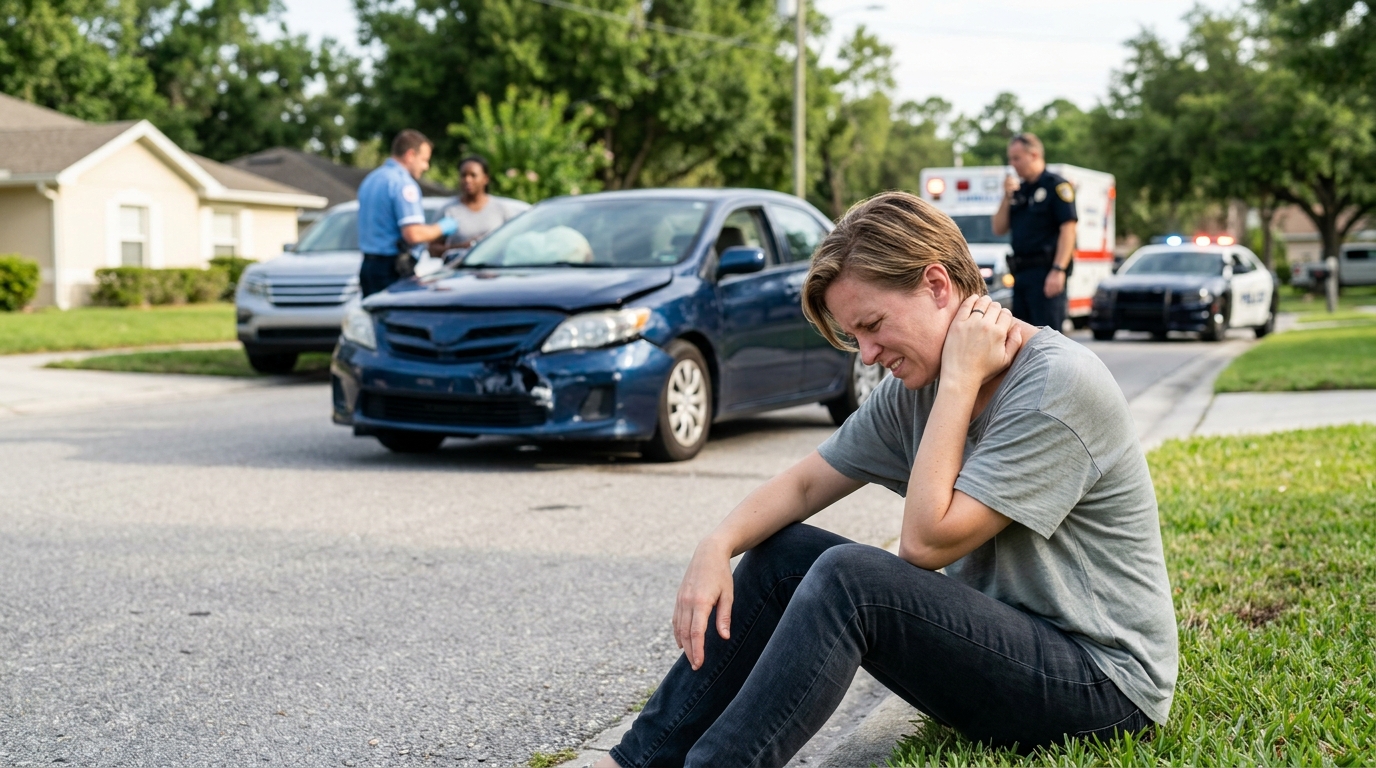
After a motor vehicle accident, it is easy to focus on the visible damage to your vehicle and overlook what may be happening in your body. Even a low-speed collision can place sudden force on the neck, back, shoulders, and joints. Chiropractic treatment can play an important role in evaluating musculoskeletal injuries, addressing pain and restricted movement, and supporting a structured recovery plan after an accident.
Prompt care is especially important in Florida. Beyond supporting your health, seeking an appropriate medical evaluation soon after a crash may also affect available Personal Injury Protection (PIP) benefits. However, treatment should always begin with the right assessment for your symptoms and medical needs.
Symptoms May Not Appear Immediately
Adrenaline and shock can mask pain in the hours following a collision. A person may feel relatively normal at the scene, then wake up the next day with stiffness, headaches, soreness, or limited range of motion. This delayed discomfort is common after the body experiences a sudden impact.
Some accident-related symptoms that deserve attention include neck pain, back pain, shoulder discomfort, headaches, dizziness, muscle tightness, numbness or tingling, and difficulty turning your head or moving comfortably. These symptoms do not automatically mean that a serious injury has occurred, but they do warrant a careful evaluation.
A chiropractor can assess movement, posture, joint function, and soft-tissue concerns that may be contributing to discomfort. If symptoms suggest a fracture, concussion, neurological issue, internal injury, or another condition requiring urgent medical care, the appropriate next step is emergency or physician-directed treatment—not chiropractic manipulation.
Whiplash Can Affect More Than the Neck
Whiplash is often associated with rear-end crashes, but it can occur in many types of accidents. It describes a rapid back-and-forth motion of the head and neck that can strain muscles, ligaments, and joints. The resulting symptoms may extend beyond the neck and include upper-back pain, shoulder tension, headaches, fatigue, or difficulty concentrating.
Chiropractic care after a motor vehicle accident may include a detailed examination, gentle mobilization, spinal manipulation when clinically appropriate, soft-tissue techniques, therapeutic exercise, and guidance on activity modification. The goal is not simply to chase temporary pain relief. A thoughtful plan should also address mobility, function, and a safe return to normal daily activities.
Spinal manipulation is one of several non-drug treatment options that may offer modest improvements in pain and function for some people with low-back or neck pain. It is not a one-size-fits-all solution, and an experienced provider should tailor care to the person’s condition, medical history, and response to treatment.
Early Evaluation Creates a Clearer Recovery Plan
Getting checked after an accident can help establish a baseline for your symptoms and functional limitations. During an evaluation, a chiropractor may ask how the crash occurred, where you were seated, whether you were wearing a seat belt, when symptoms began, and which movements make them worse.
This information helps guide treatment recommendations and can identify when further imaging, a medical referral, or collaborative care is needed. A quality care plan should evolve as your symptoms change. For example, the first phase may focus on reducing irritation and restoring comfortable movement, while later visits may place greater emphasis on strengthening, stability, posture, and injury prevention.
Patients should be cautious about trying to “push through” worsening symptoms. Pain is not always a reliable measure of tissue healing, but persistent or increasing pain, weakness, numbness, severe headache, confusion, changes in vision, chest pain, shortness of breath, or loss of bladder or bowel control require prompt medical attention.
Chiropractic Treatment Can Support Active Recovery
After an accident, too much inactivity can sometimes contribute to stiffness, weakness, and fear of movement. At the same time, returning to work, exercise, or household tasks too aggressively can aggravate an injury. Chiropractic care can help patients find a reasonable middle ground.
Depending on the diagnosis, a recovery plan may include specific stretches, mobility work, strengthening exercises, ergonomic recommendations, and practical advice for sleeping, driving, lifting, and sitting at a desk. These strategies can help patients gradually rebuild confidence in movement while protecting injured areas.
For athletes and active adults, treatment may also address the demands of returning to the gym, running, recreational sports, or physically demanding work. The objective should be a progressive return to activity based on function—not simply returning as soon as pain temporarily decreases.
Florida’s 14-Day PIP Consideration
Florida’s PIP statute generally requires an injured person to receive initial services and care within 14 days of a motor vehicle accident for medical benefits to be available. Chiropractic physicians are among the providers identified in the statute who may provide initial services and care. Insurance coverage, benefit amounts, medical necessity requirements, and an individual’s circumstances can vary, so patients should review their policy and consult qualified insurance or legal professionals when they have coverage questions.
This timeline should never be the only reason to seek care. Your health comes first. Still, waiting for symptoms to become unbearable can make recovery more frustrating and may create avoidable uncertainty around documentation and benefits.
Communication Between Providers Matters
The best post-accident care is often collaborative. A chiropractor may work alongside a primary care physician, emergency department, orthopedic specialist, neurologist, physical therapist, or other provider when needed. Open communication helps ensure that care is coordinated and that treatment decisions reflect the full picture of your health.
Be prepared to share information about prior injuries, medications, blood-thinning drugs, osteoporosis, recent surgeries, and any medical conditions that could affect treatment decisions. You should also tell your provider about new or changing symptoms between visits.
Choosing the Right Chiropractor After a Crash
Look for a licensed chiropractor who performs a thorough examination, explains findings in plain language, and is willing to refer you for medical evaluation when appropriate. You should understand the proposed treatment plan, expected goals, possible risks, and how progress will be measured.
Good care should feel collaborative. You should never feel pressured into unnecessary treatment or discouraged from asking questions. A provider who listens carefully, documents your condition, and adjusts recommendations based on your recovery can be a valuable part of your post-accident healthcare team.
FAQ
Should I see a chiropractor even if my accident was minor?
Even minor crashes can cause pain or stiffness that appears later. If you develop symptoms, a timely evaluation can help determine whether chiropractic care, medical care, or a combination of services is appropriate.
Can a chiropractor treat every injury from a car accident?
No. Chiropractic care is focused on musculoskeletal conditions and should be part of an appropriate care plan. Serious injuries, concussions, fractures, internal injuries, and neurological symptoms need urgent medical assessment.
Is chiropractic treatment safe after a car accident?
Safety depends on the injury, the patient’s health history, and the type of treatment used. A thorough assessment is essential, particularly after trauma. Patients should discuss risks, alternatives, and any concerning symptoms before treatment begins.
How soon should I seek care after a Florida accident?
Seek emergency care immediately for serious symptoms. For non-emergency pain or stiffness, arrange an appropriate evaluation as soon as practical. Florida’s PIP law generally includes a 14-day requirement for initial services and care related to medical benefits.
Will I need more than chiropractic care?
Possibly. Some patients benefit from coordinated care that includes medical evaluation, physical therapy, imaging, medication management, or specialist treatment. Your care plan should be based on your specific injuries and recovery needs.